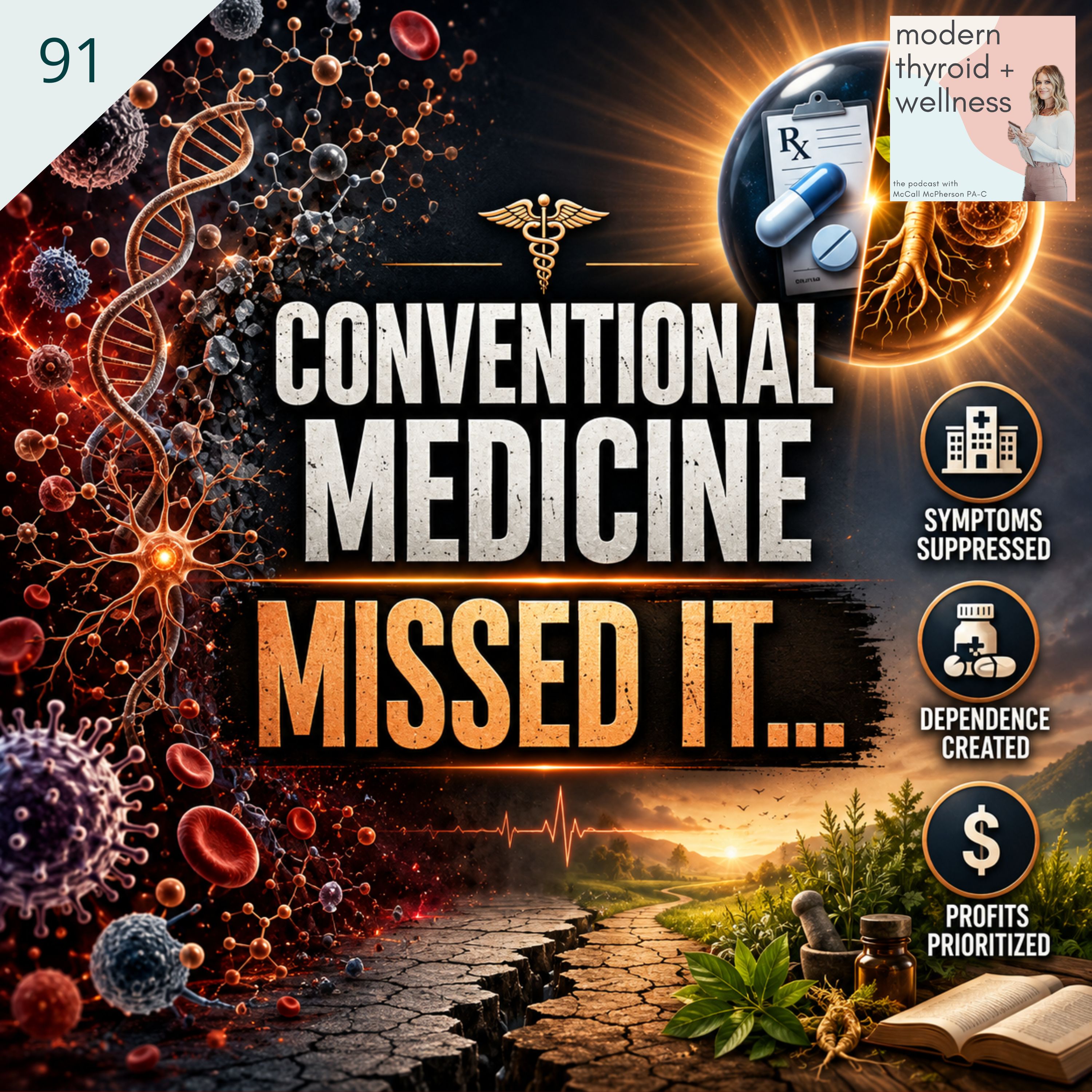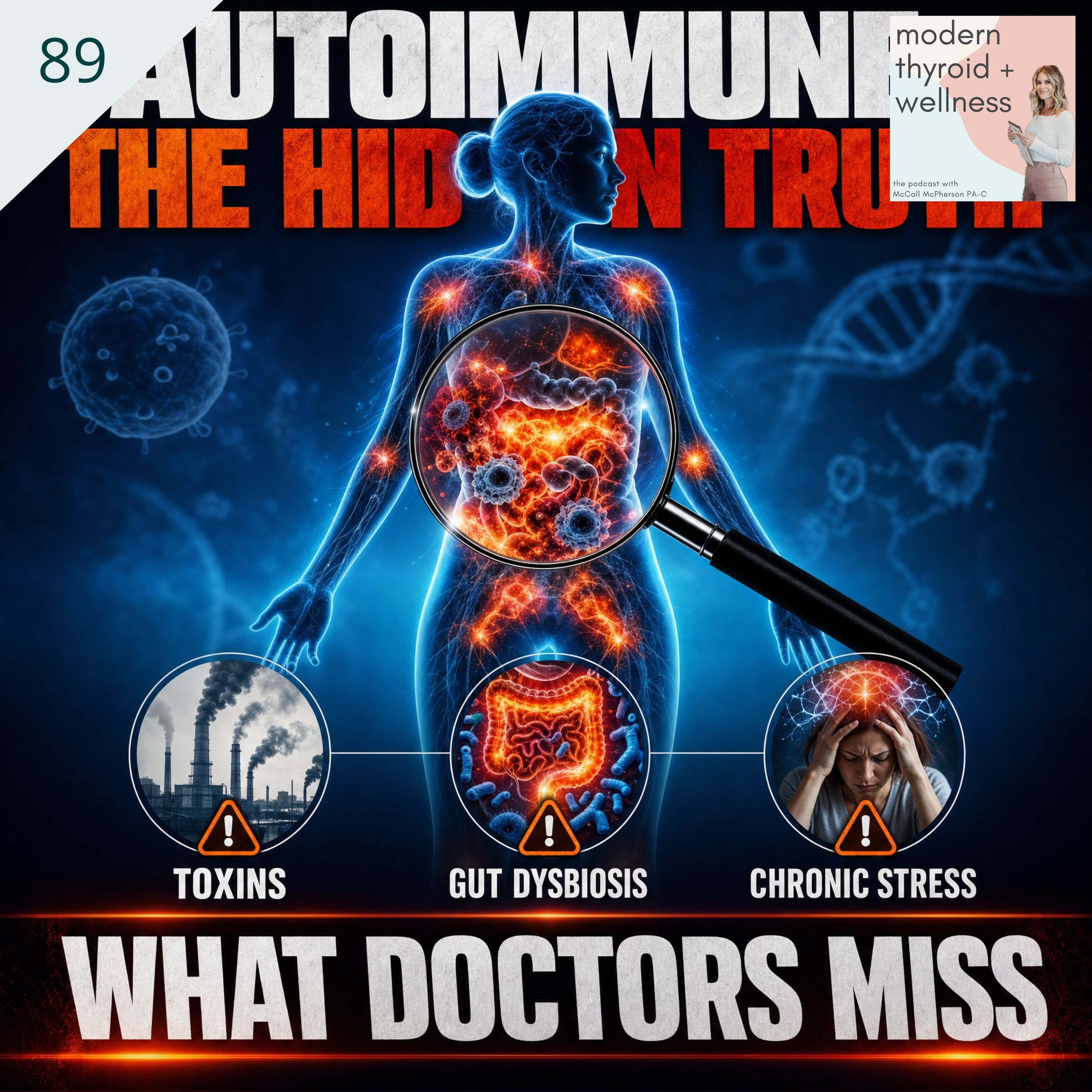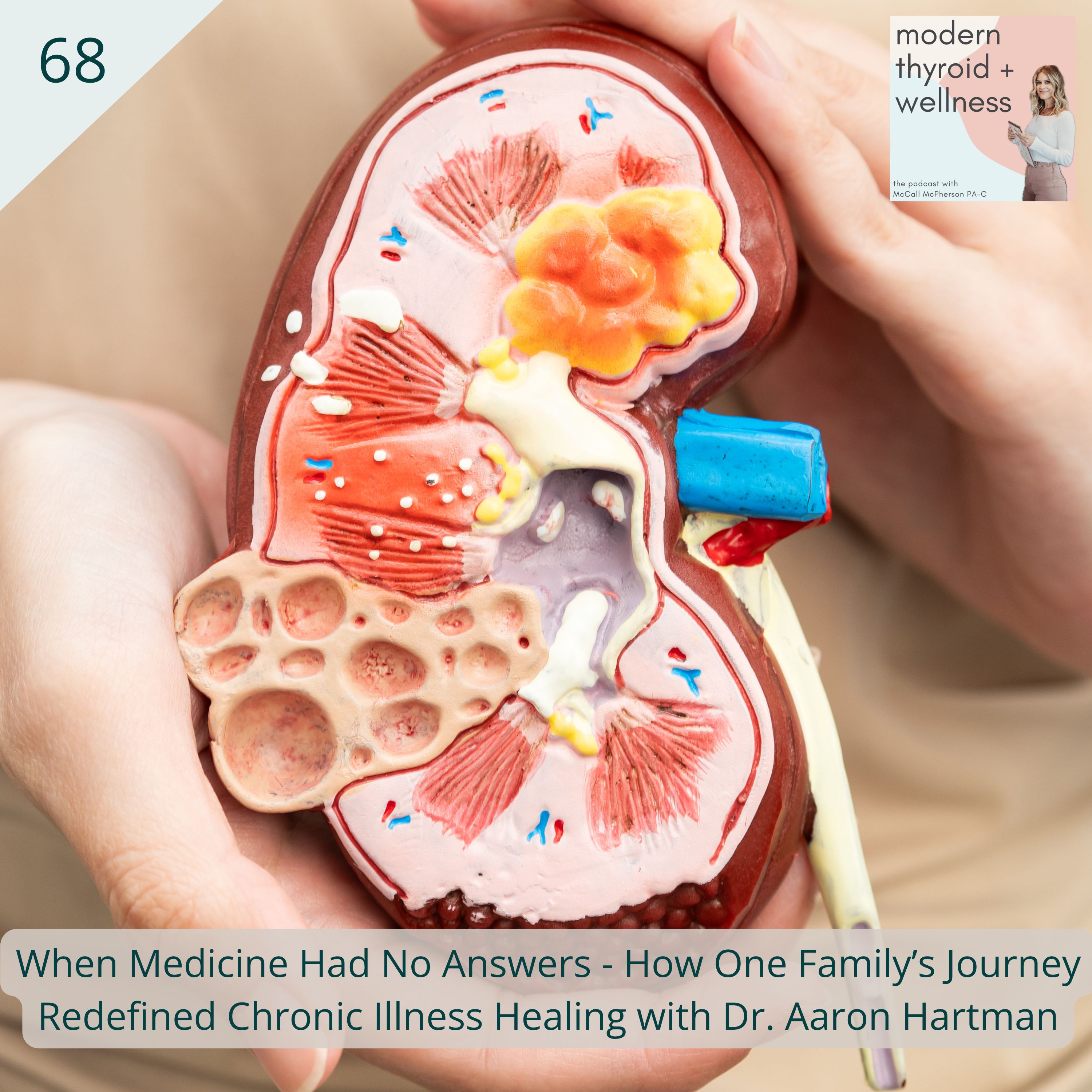
Chronic illness can leave patients feeling stuck, dismissed, and searching for answers that never seem to come. In a powerful episode of Modern Thyroid and Wellness, McCall McPherson sits down with functional medicine physician and clinical researcher Dr. Aaron Hartman to explore what happens when conventional healthcare fails to provide solutions.
Dr. Hartman shares how his daughter’s complex medical diagnosis transformed his understanding of medicine, leading him to challenge traditional healthcare models and adopt a root cause approach focused on uncovering hidden drivers of chronic disease.
This conversation offers hope, education, and actionable strategies for anyone navigating unexplained symptoms, autoimmune disease, or chronic health struggles.
Many chronic illnesses are labeled incurable because traditional medicine focuses heavily on symptom management rather than identifying underlying causes. Dr. Hartman explains that medical knowledge evolves constantly, and what was once considered untreatable often becomes manageable or reversible as science progresses.
Medical blind spots occur when healthcare systems rely on outdated guidelines or incomplete understanding of disease mechanisms. Throughout history, healthcare recommendations have changed dramatically as new research emerges.
Examples of evolving medical understanding include:
Dr. Hartman emphasizes that chronic illness often lives in the gaps between medical specialties, making collaboration and investigative care essential.
Medical gaslighting happens when patient symptoms are minimized, dismissed, or attributed to stress without deeper investigation. Research and clinical experience suggest women are particularly affected by delayed diagnosis and symptom dismissal.
Dr. Hartman explains that chronic illness often requires listening to the full patient story rather than focusing on isolated symptoms.
Traditional healthcare excels at acute care such as emergency treatment and surgery. However, chronic disease often involves multiple overlapping factors that require deeper investigation.
Water damaged buildings can contribute to chronic inflammatory response syndrome, which may trigger fatigue, brain fog, and immune dysfunction.
Lyme disease and related infections remain significantly underdiagnosed and may contribute to autoimmune symptoms and neurological dysfunction.
Hypermobility can be linked to autoimmune disorders, gastrointestinal dysfunction, nervous system regulation issues, and chronic pain patterns.
Dr. Hartman highlights that recognizing structural and environmental contributors can dramatically change treatment outcomes.
One of the most powerful concepts discussed in this episode is patient empowerment. Dr. Hartman encourages patients to become active participants in their healthcare rather than passive recipients of treatment.
Patients benefit from working with providers across specialties, including primary care physicians, endocrinologists, functional medicine practitioners, and nutrition specialists.
Understanding symptom patterns, lab results, and treatment options helps patients advocate for personalized care.
Chronic illness often requires ongoing evaluation and adjustment rather than one time treatment plans.
While advanced therapies exist, Dr. Hartman emphasizes that healing begins with foundational health habits.
Whole foods, balanced macronutrients, and individualized nutrition plans support immune function and metabolic health.
Reducing toxin exposure through home and lifestyle adjustments can significantly impact chronic inflammation.
Consistent sleep and emotional regulation support hormonal balance and immune resilience.
Strong social connections improve mental and physical health outcomes.
Functional medicine focuses on identifying leverage points that influence healing rather than treating isolated symptoms.
This approach evaluates:
Dr. Hartman believes combining conventional and functional medicine provides the most comprehensive patient care.
A unique aspect of Dr. Hartman’s practice is the integration of emotional resilience and belief in healing potential. He explains that hope and provider patient trust play significant roles in recovery outcomes.
His experience caring for his daughter reinforced his belief that chronic illness requires persistence, creativity, and compassionate care.
Dr. Aaron Hartman is a functional medicine physician, clinical researcher, and founder of the Virginia Research Center. He has participated in over 70 clinical research studies and serves as an Assistant Clinical Professor at Virginia Commonwealth University.
His work focuses on helping patients uncover root causes of chronic illness and develop personalized healing strategies.
Dr. Hartman’s book UnCurable: From Hopeless Diagnosis to Defying All Odds shares his family’s journey navigating complex chronic illness while offering practical tools for patients seeking answers beyond conventional medicine.
📘 Learn more:
https://www.amazon.com/dp/B0FWQ21FDV
Dr. Hartman’s message challenges the traditional definition of incurable illness. Instead of accepting limitations, he encourages patients and providers to explore deeper causes, collaborate across disciplines, and embrace personalized care.
Healing is not always linear, but with curiosity, advocacy, and comprehensive care, many patients can experience meaningful improvements in health and quality of life.