What happens when a personal health crisis leads to a larger investigation into the food system that affects millions of people?
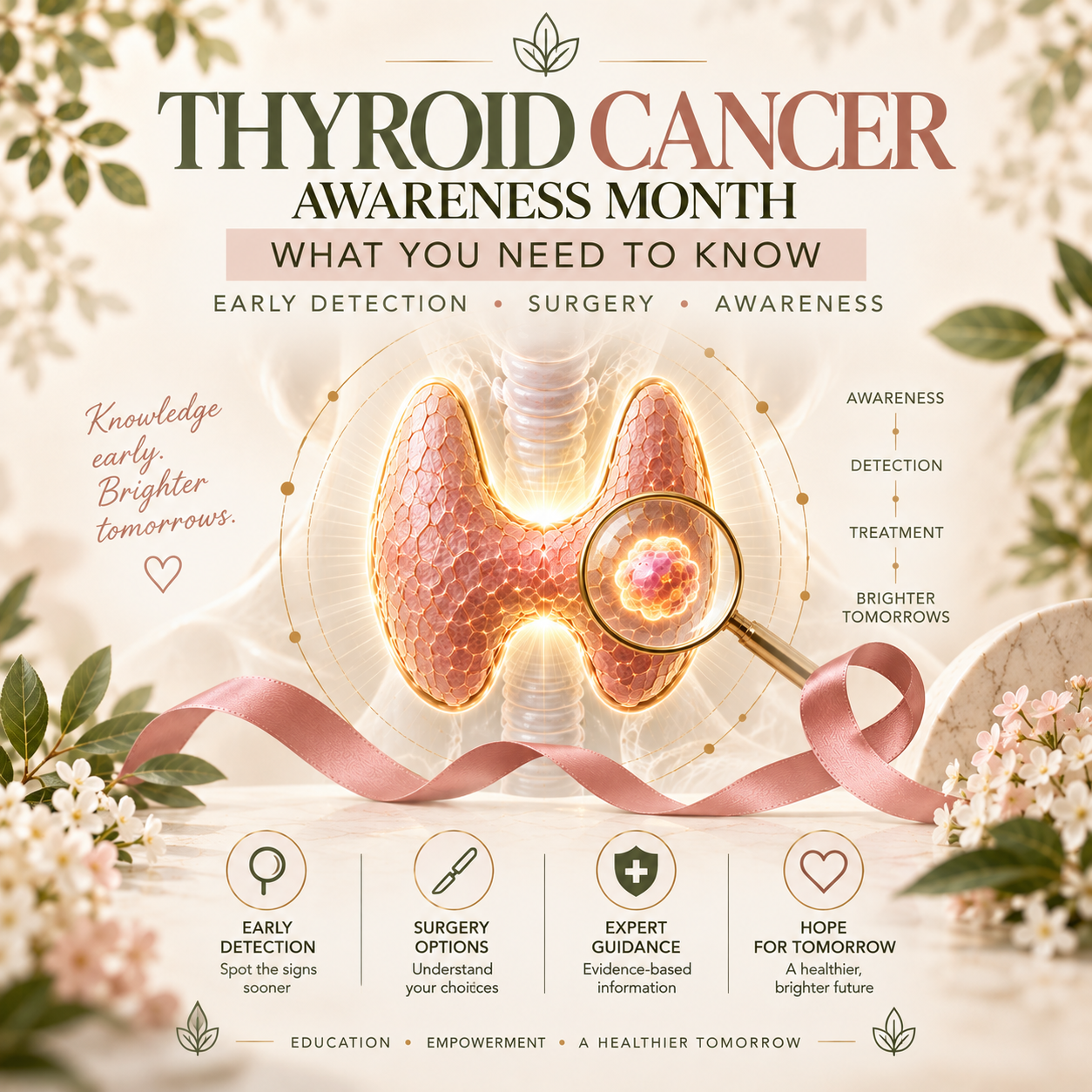
In this episode, Michael sits down with Patrick Sullivan Jr. and Ashley Sullivan, the executive producers behind the documentary Breaking Big Food: How the American Food System Went Rotten and How It's Being Revived. Their journey began with Patrick’s unexpected thyroid cancer diagnosis and eventually expanded into a deeper exploration of how modern food production, environmental exposures, and chronic stress may contribute to widespread metabolic and thyroid health issues.
Their story connects personal health, food quality, and systemic challenges within the modern food industry. It also highlights how individual choices around nutrition and lifestyle can have powerful long-term effects on overall health.
Patrick’s health journey began in a surprisingly simple way. While driving home one day, he noticed a lump on the side of his neck. After several weeks without improvement, he visited his doctor. A biopsy soon followed.
The results were uncertain at first. Multiple biopsies and medical consultations eventually confirmed a diagnosis of follicular thyroid carcinoma.
Like many patients navigating a serious diagnosis, Patrick and Ashley entered a period of uncertainty and stress while seeking answers. They pursued several medical opinions before ultimately deciding to proceed with thyroid surgery.
After surgery, pathology confirmed the cancer diagnosis. Fortunately, the cancer had been successfully removed, and Patrick was able to recover with appropriate thyroid hormone therapy.
However, one question remained unanswered.
Why did the cancer develop in the first place?
Traditional medical care focused on treatment, but rarely addressed potential root causes related to environment, nutrition, or lifestyle.
This question eventually became the foundation for a much larger investigation.
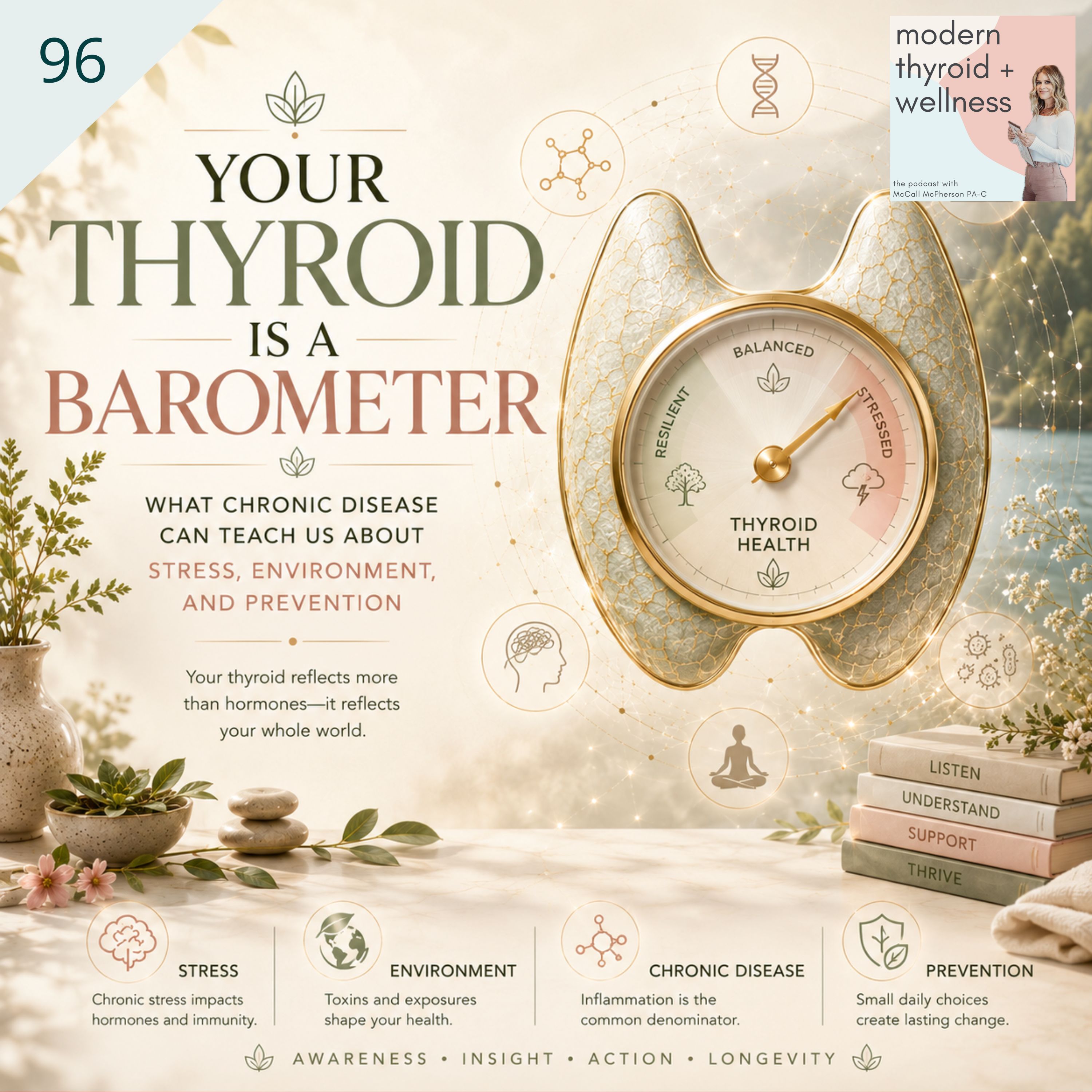
During their discussion, Patrick and Ashley emphasize something many patients underestimate: chronic stress can deeply influence physical health.
Stress does not only exist as a psychological experience. It triggers physiological changes in the body that influence:
When the body is under chronic stress, it prioritizes survival. Stress hormones such as cortisol increase while restorative processes such as tissue repair and immune balance may become impaired.
Patrick reflected on how the period leading up to his diagnosis involved significant professional stress. Looking back, he believes that long-term stress may have played a meaningful role in his health challenges.
This perspective aligns with emerging research suggesting that chronic stress can contribute to immune dysfunction and inflammatory conditions.
While producing the documentary Breaking Big Food, Patrick and Ashley interviewed numerous experts about the history and evolution of the American food system.
One of the most surprising discoveries involved the role of tobacco companies in the food industry.
During the 1980s, several major acquisitions occurred:
By the 1990s, tobacco companies controlled a significant portion of the processed food market.
These companies applied similar research strategies used in cigarette production to food manufacturing. The goal was not simply nutrition, but maximizing cravings and repeat consumption.
This strategy helped drive the rise of ultra-processed foods designed to be highly palatable, shelf-stable, and addictive.
Over time, these products became a large portion of the standard American diet.
During the documentary process, Patrick and Ashley encountered numerous stories illustrating the impact of food quality on health.
One individual featured in the film lost over 200 pounds after gradually shifting away from processed foods and toward nutrient-dense whole foods.
Another individual developed severe gastrointestinal symptoms despite believing he was eating “healthy” fast food options.
These stories illustrate an important point:
Many processed foods marketed as convenient or even healthy still contain extensive ingredient lists filled with additives, preservatives, and highly refined ingredients.
Even grilled fast food items may contain long lists of hidden additives.
While these products may provide calories, they often lack the micronutrients and balance needed to support optimal metabolic health.
One encouraging message from the documentary is that health improvements do not require overnight perfection.
Many people featured in the film improved their health by making gradual changes such as:
These changes can gradually reduce inflammation and improve metabolic health over time.
Food choices represent one of the most powerful daily opportunities to influence long-term health outcomes.
While researching food quality, Ashley discovered another surprising health issue.
A toxin test revealed elevated levels of mold exposure, which prompted further investigation. Eventually, she learned that coffee can be a common dietary source of mold contamination if not carefully sourced and tested.
This discovery led the couple to explore the world of third-party tested mold-free coffee.
Their research eventually inspired the launch of Firefly Organic Coffee and Market, a café and marketplace in Scottsdale focused on providing clean, nutrient-dense food options.
The shop offers:
Their goal is to make healthier food options more accessible within their community.
Patrick’s thyroid cancer diagnosis began as a deeply personal challenge.
Over time, it evolved into a broader mission to raise awareness about the connection between food systems, metabolic health, and chronic disease.
Through the documentary Breaking Big Food and their work with Firefly Organic Coffee, Patrick and Ashley aim to encourage more conversations about the quality of the food people consume every day.
While systemic change takes time, awareness and individual action can still make a meaningful difference.
Breaking Big Food: How the American Food System Went Rotten and How It's Being Revived is currently available to stream on:
Viewers who watch the documentary are encouraged to support the project by leaving a rating on IMDb.
Patrick and Ashley Sullivan’s story highlights an important reality: health journeys often lead people to ask deeper questions about lifestyle, environment, and nutrition.
While no single factor explains every illness, the quality of our food system and the daily choices people make within it can have a profound influence on long-term health.
Understanding those connections may be one of the most important steps toward building a healthier future.